Speak with Marcus
Share your profession, education status, timeline, and the scholarship pathway you are considering.
Education & Training
The Army-Baylor Doctor of Physical Therapy program is a 30-month doctoral pathway based at the U.S. Army Medical Center of Excellence at Joint Base San Antonio, Texas.
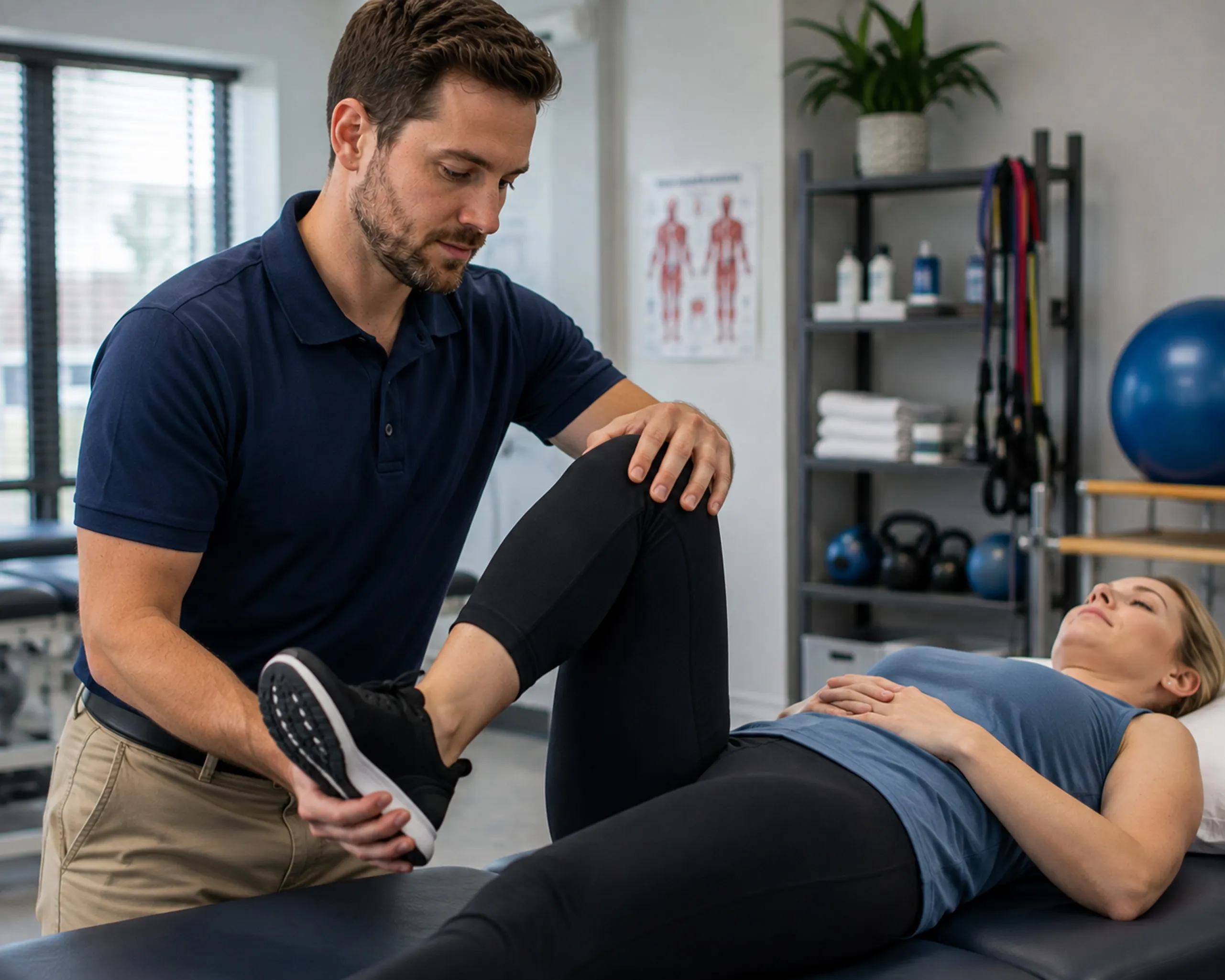
Program overview
The Army-Baylor Doctor of Physical Therapy program is a 30-month doctoral pathway based at the U.S. Army Medical Center of Excellence at Joint Base San Antonio, Texas. This rigorous program is structured into two phases: an 18-month academic phase of graduate didactic coursework at MEDCoE and a subsequent 12-month clinical internship at selected military treatment facilities.
During the academic phase, you complete a 124-credit curriculum followed by a supervised clinical internship in San Antonio, Texas. The sequence develops the knowledge and practical skills required for physical-therapy practice.
Beginning in the second semester of the first year, you start clinical experiences in civilian and Army physical-therapy clinics, primarily around JBSA. These early clinical exposures, lasting 6-8 weeks, provide initial real-world insight into the practice of physical therapy.
After completing the program, you receive a Doctor of Physical Therapy degree from Baylor University and become eligible for state licensure. You must obtain unrestricted state licensure to maintain the 65B Area of Concentration and fulfill the Active Duty Service Obligation stated in the current program terms.
To apply, submit your application through the Physical Therapy Centralized Application System (PTCAS). You must hold a bachelor’s degree or be in your final undergraduate semester and complete the stated prerequisite coursework. You must meet the stated prerequisite GPA and GRE requirements. A minimum of 100 observation hours in physical therapy settings is also required.
The program combines doctoral education, supervised clinical training, and service as an Army officer. Contact Marcus to discuss how your prerequisites, observation hours, academic record, and commissioning qualifications compare with the current requirements.
Plan the next step
The process will be shaped around your profession, education, and intended commissioning path.
Share your profession, education status, timeline, and the scholarship pathway you are considering.
Review the academic, professional, medical, and administrative requirements for your selected program.
Gather the academic records, licenses, references, and supporting documents required for the selection cycle.
Complete the required medical screening, administrative processing, professional review, and interviews.
Review the scholarship benefits, training expectations, appointment details, and service obligation before accepting.
A direct conversation is the fastest way to identify which information applies to you.